
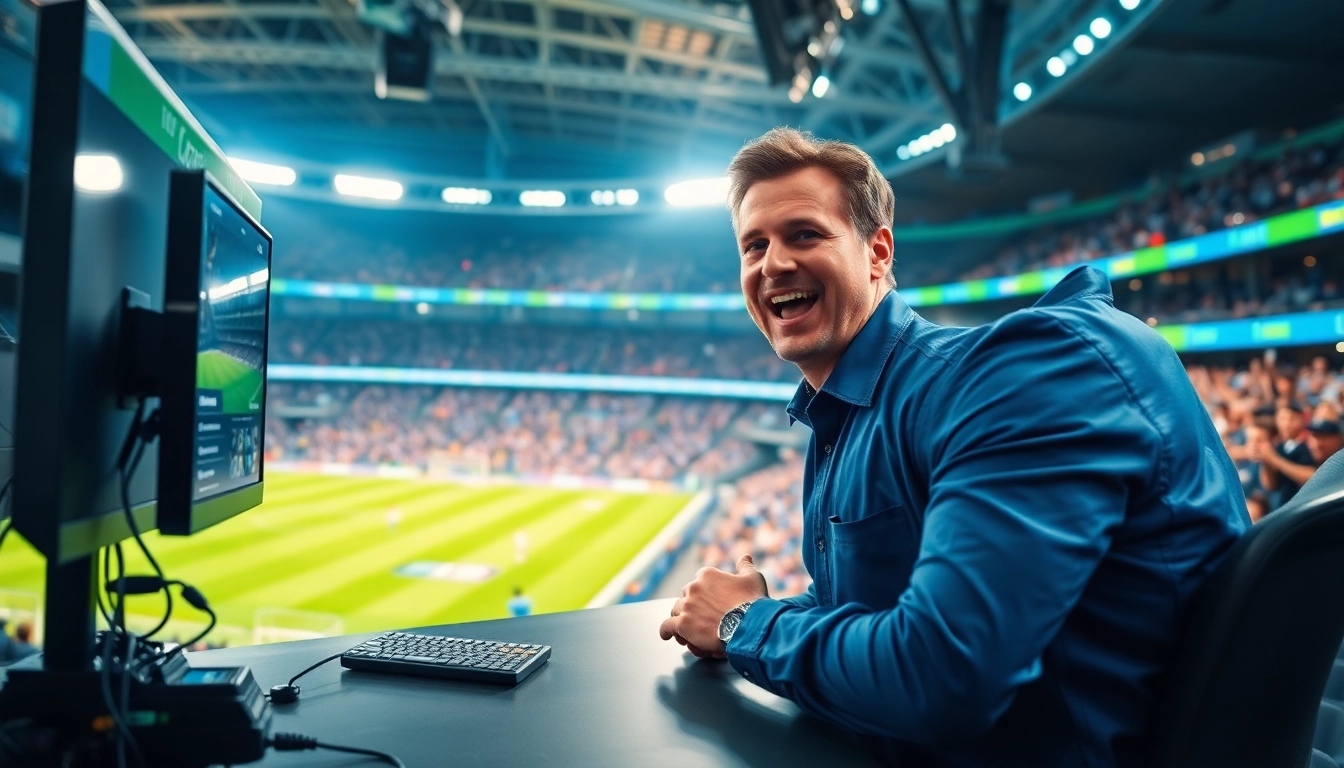
Understanding Sports Broadcasting
What is Sports Broadcasting?
Sports broadcasting refers to the distribution of sports content, including live events and highlights, through various media avenues such as television, radio, and online platforms. It encompasses a wide array of formats, from traditional TV broadcasts to streaming services and social media clips. The content not only captures the action of the sports but often includes commentary, interviews, and analysis, creating a comprehensive viewing experience for fans.
Importance of Sports Broadcasting Today
In today's digital age, Sports Broadcasting plays a pivotal role in shaping the landscape of sports fandom and culture. It enhances accessibility to a wider audience, allowing fans from different geographic locations to experience live games regardless of their physical presence at the venue. Furthermore, it contributes significantly to the revenue streams of sports organizations, especially through advertising, sponsorship, and broadcasting rights.
Key Formats in Sports Broadcasting
Sports broadcasting encompasses various formats and techniques. The most prominent include:
- Live Telecasts: Real-time broadcasting of events across television channels and online platforms.
- Highlights Shows: Recap segments that feature key moments from games, often airing shortly after events conclude.
- Podcasts: Audio formats that provide analysis and discussions about recent games and player performances.
- Social Media Clips: Short videos or live streams shared on platforms like Twitter, Instagram, and Facebook.
- Interactive Streaming: Platforms that allow fans to engage with content and other viewers in real-time, enhancing the overall experience.
Essential Equipment for Sports Broadcasting
Cameras and Videography Gear
The backbone of effective sports broadcasting lies in high-quality videography. Broadcasting professionals utilize various camera types, including handheld cameras for dynamic footage and drones for aerial viewpoints. The key features to consider are:
- Frame Rate: Higher frame rates yield smoother motion, crucial for fast-moving sports.
- Lens Quality: High-quality lenses can significantly improve image clarity, especially during close-ups.
- Portability: Equipment must be easily transportable to different venues.
Audio and Sound Equipment
Audio quality is just as important as visual quality in sports broadcasting. Utilizing directional microphones can capture specific sounds, like commentary or player interactions, while minimizing background noise. Essential audio gear includes:
- Mixing Consoles: Help manage audio levels from different sources.
- Headsets: Allow for seamless communication among crew members.
- Wireless Microphones: Ensure mobility for reporters and commentators.
Shooting Techniques for Engaging Content
Employing creative shooting techniques enhances viewer engagement. Techniques such as slow-motion replays, various camera angles (such as close-ups, aerial shots), and real-time analysis overlays can add layers to the viewing experience. Yet, timing and expertise are crucial here, as capturing pivotal moments in sports requires precision and skill.
Challenges in Sports Broadcasting
Adapting to Technological Changes
The rapid evolution of technology presents both opportunities and challenges in the sports broadcasting industry. Broadcasters must continually adapt to new tools and platforms, such as augmented reality and AI-driven analytics. Embracing these technologies while managing the costs and training requirements can be daunting.
Maintaining Audience Engagement
With the vast amount of content available, capturing and retaining viewer attention is a growing challenge. Broadcasters must innovate and diversify their offerings by incorporating interactive elements, polls, and viewer suggestions to keep audiences engaged and invested in the content.
Legal Considerations in Broadcasting
Legal aspects are crucial in sports broadcasting, including copyright laws related to footage, trademarks for team logos, and licensing agreements with leagues and networks. Navigating these regulations is essential to avoid legal disputes that can disrupt operations.
Trends Shaping the Future of Sports Broadcasting
Growth of Streaming Services
The shift towards streaming services has revolutionized the way sports content is consumed. Services like ESPN+ and DAZN offer access to various sports without traditional cable, appealing to younger audiences. This trend is likely to continue, with broadcasters needing to create compelling packages to stay competitive.
Impact of Social Media on Broadcasting
Social media platforms are integral to sports broadcasting today. They facilitate direct communication between fans and broadcasters, help promote events, and generate buzz around games. This two-way interaction can increase overall engagement and loyalty, making it crucial to incorporate social media strategies into broadcasting plans.
Data and Analytics in Sports Broadcasting
Data-driven insights have become invaluable in sports broadcasting. Utilizing analytics allows broadcasters to provide in-depth analysis and improve viewer experience by offering personalized content. This integration of data can help viewers gain a deeper understanding of game dynamics and player performance.
Measuring Success in Sports Broadcasting
Key Performance Indicators to Track
To gauge the effectiveness of sports broadcasting efforts, several key performance indicators (KPIs) can be utilized. These include viewership numbers, audience demographics, engagement rates, and revenue generated from advertising and sponsorships. Monitoring these indicators helps broadcasters adjust their strategies to maximize reach and impact.
Evaluating Audience Reach and Engagement
Understanding audience reach requires analyzing metrics from various platforms. Tools like Google Analytics and social media insights can provide comprehensive data about how audiences are interacting with content. High engagement rates typically correlate with successful strategies in content delivery.
Case Studies of Successful Sports Broadcasting
Examining successful broadcasting case studies can provide insights into best practices. For example, a well-executed Super Bowl broadcast that combines engaging commentary, high-quality production, and effective advertisement placements can serve as a model for other events. Such examples illustrate the importance of strategic planning and execution.
Frequently Asked Questions
What is the primary goal of sports broadcasting?
The primary goal of sports broadcasting is to provide live coverage and commentary of sports events, creating an engaging experience for fans.
How has technology impacted sports broadcasting?
Technology has enhanced sports broadcasting through improved video quality, instant replay features, and interactive content, elevating viewer engagement.
What are the main challenges facing sports broadcasters today?
Key challenges include adapting to rapidly changing technologies, maintaining audience engagement, and navigating legal complexities in broadcasting rights.
How has streaming changed the landscape of sports broadcasting?
Streaming has provided more flexible viewing options and direct access to sports content, attracting younger audiences and disrupting traditional cable models.
What metrics should broadcasters track for success?
Broadcasters should track viewership numbers, audience demographics, engagement rates, and revenue from ads to measure success effectively.